Late May through September
Sod Installation in Saskatoon
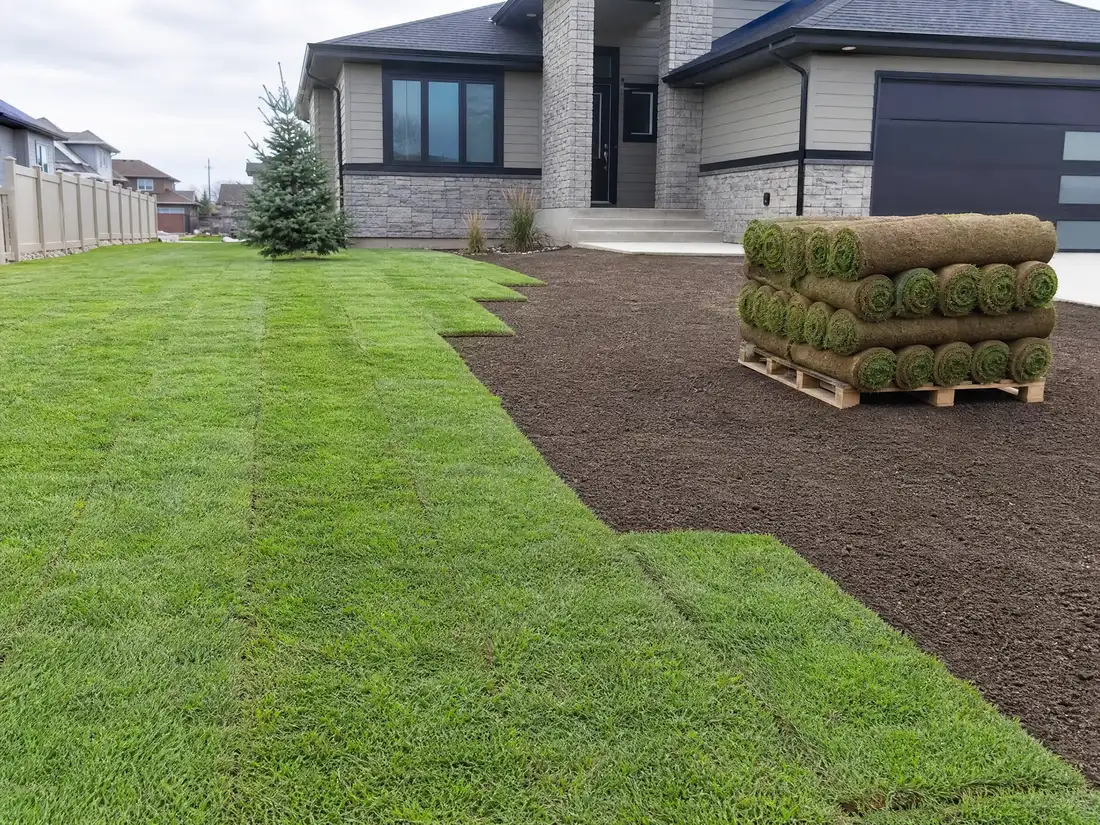
New sod lawns on properly prepared grade and real topsoil depth, not laid over builder clay.
We install sod lawns for new builds, tear-outs, and failed lawns across Saskatoon, Warman, and the surrounding communities, including the grading and topsoil work that has to happen before a roll goes down. Sod laid onto compacted builder subsoil greens up for one season and then thins out, so most of the value in a Saskatoon sod job is underneath the grass. Homeowners hire us when they want a lawn that is still thick in its third summer.
What Is Involved in Installing a Sod Lawn in Saskatoon?
A sod installation in Saskatoon starts with what is already there. On a new build that means stripping or breaking up the compacted subsoil the builder left; on a replacement lawn it means removing the old turf entirely rather than laying new sod on top of it. Sod over old sod creates a buried layer that roots refuse to cross.
Next comes grade and topsoil, which is the part that decides whether the lawn survives. We set the finished grade so water runs away from the foundation and off the lot rather than pooling, then bring the topsoil to a real working depth across the whole area — not a decorative dusting over clay. On Saskatoon lots this is usually where most of the material cost sits.
The sod itself goes down on the same day it is cut wherever possible, staggered like brickwork with tight seams, rolled to press the roots into contact with the soil beneath, and then watered heavily and immediately. Sod that sits on a pallet in a hot Saskatoon July for two days before installation is already damaged when it is laid.
When Is Sod the Right Answer Instead of Repairing a Lawn?
New construction is the clearest case. A new house in Saskatoon, Warman, or Martensville comes with a rough-graded rectangle of subsoil, and there is no existing lawn to repair. Sod turns that into a usable yard in a day rather than the two seasons seeding takes.
The second case is a lawn that is genuinely finished — more than about half weed, dead in patches larger than a dinner plate, or so compacted and thin that a season of aeration and overseeding has not moved it. At that point continuing to treat it costs more over two years than replacing it.
Sod also makes sense when you need the lawn usable now: selling a house, hosting something, or dealing with a yard that is turning to mud and tracking into the house. Seed cannot deliver that on any timeline. If none of those apply and the existing lawn is basically alive, lawn aeration and overseeding is the cheaper and honest recommendation.
Why Do New Sod Lawns Fail in Saskatoon?
The most common failure in Saskatoon is insufficient topsoil. Sod arrives with about an inch of soil and a dense root mat, and that alone will carry it through one season on its own reserves. If there is nothing but compacted clay underneath, the roots never get established, and the lawn thins and yellows in its second summer — long after the installer has gone.
Under-watering in the first three weeks is the second. New sod in a dry Saskatoon summer needs to be kept genuinely wet, not merely damp, until it knits down. The seams are where it shows first: gaps opening between rolls mean the sod has shrunk from drying out, and those gaps become permanent weed lines.
The third is laying it on a bad grade. A low spot under new sod does not drain, and in a Saskatoon spring it holds meltwater for weeks. The grass in that spot suffocates and dies, and no amount of subsequent care fixes it, because the problem is the shape of the ground rather than the grass.
What Affects the Cost of Sod Installation in Saskatoon?
Area is the obvious factor, but the ground preparation underneath is usually the bigger number on a Saskatoon quote. A lot that is already close to final grade with reasonable soil needs a fraction of the work of a new-build lot that needs several inches of imported topsoil across the whole yard.
How far the existing grade is from where it needs to be drives the cost more than anything else. Moving material — whether that is trucking topsoil in or hauling excess spoil out — is heavy work priced by volume, and a lot that needs both is expensive in both directions.
Access decides what equipment can be used. A yard a skid steer can drive into is straightforward; a fenced back yard reachable only through a metre-wide gate means topsoil and sod are moved by wheelbarrow, which is slow and adds significant labour.
Removing an old lawn is a real line item on a replacement job, since the old turf has to be cut, lifted, and hauled away before anything else can start. Season matters too — sod is a perishable product with a short prairie supply window, and pricing in a peak-demand June is not the same as in September.
Should I Choose Sod or Seed for a Saskatoon Lawn?
Choose sod when you need a usable lawn quickly, when the area is sloped enough that seed would wash, or when the yard is going to see traffic within the season. Sod is an instant lawn and it is dramatically more forgiving of the short prairie growing window — there is simply not much time in a Saskatoon year for seed to establish before frost.
Choose seed when the budget matters more than the timeline, when the area is large enough that sodding it is genuinely expensive, and when you can protect it from traffic for a full season. Seeded lawns in Saskatoon really need to go in either in the narrow spring window or as a dormant seeding in late fall, and they need consistent watering through a dry July that many people underestimate.
For most Saskatoon residential yards, sod is the right call, and the reason is the season length rather than the quality of the result. If you would like the full comparison including what each actually costs, we have written that up in detail in our sod versus seed guide.
Where Does This Fit With the Rest of the Yard?
Sod Installation is rarely the only thing a property needs, and the order the work happens in matters more on Saskatoon clay than most people expect. Ground comes first: if water is pooling or running toward the house, grading and drainage is the job to do before anything you can see. Buried services like irrigation go in before surfaces, and sod goes down after the hard landscaping rather than before it.
The jobs most often quoted alongside this one are excavation, grading & earthworks, lawn care and irrigation & sprinklers. Doing them in one visit is usually cheaper than bringing equipment back, because the mobilisation and the machine access are paid for once.
If you are planning the whole property rather than one job, start with a landscape design so the phases are sequenced before anything is built. Otherwise, the full service list covers everything we do, the cost guides explain what drives each price here, and the how-to guides are written for Saskatchewan timing rather than the milder-climate advice most search results give you. We work across Saskatoon and the surrounding area, including Warman, and every quote is free and given on site.
Get a free sod installation quote
Tell us what you need and where the property is. We come out, look at the ground, and give you a written scope and price — no charge and no obligation.
- Free on-site quotes across Saskatoon
- Prairie-hardy plantings that survive zone 3a winters
- Utility locates arranged before any digging
- Summer yard work and winter snow from one contractor
- Written scope before a shovel goes in the ground
Frequently Asked Questions
How much does sod cost in Saskatoon?
Sod itself is priced by the square foot and is usually the smaller half of the bill. The ground preparation — grading, and importing topsoil to a real depth — is what moves a Saskatoon quote, and on a new-build lot it can easily exceed the cost of the grass. A quote that prices only the sod is quoting only part of the job.
When can you lay sod in Saskatoon?
From roughly late May, once the frost is out and the ground can be worked, through to late September. Sod can be laid successfully right up until the ground freezes, and there is a real argument for September installs: cooler temperatures and reliable moisture mean far less watering stress than a July installation.
How much topsoil do I need under new sod?
Enough for roots to actually occupy — a genuine working depth across the whole area, not a skim coat over clay. This is the single most important number in a Saskatoon sod job and the one most commonly cut to win a quote. Ask any contractor what depth they are pricing, and be suspicious of one who does not have an answer.
How long does new sod take to root in?
You should feel resistance when you tug a corner after about two weeks in warm weather, and it is properly knitted down in three to four. Until then it needs to stay wet and stay off. A September install roots more slowly in cooler soil but is under far less stress while doing it.
How often should I water new sod in Saskatoon?
Heavily and often for the first two weeks — typically more than once a day through a hot dry stretch, enough to keep the soil beneath the sod wet rather than just wetting the surface. After it has rooted, taper to deeper, less frequent watering to encourage roots to go down. The first three weeks are the whole game.
Can I lay sod over my existing lawn?
No. The old turf has to come out first. Sod laid over an existing lawn creates a buried layer of dead material that new roots will not grow through, and the result is a lawn sitting on a barrier rather than rooted into soil. It fails in the second season.
Why is my new sod turning yellow or brown at the seams?
Almost always drying out. The edges of each roll lose moisture first, so seams browning and gaps opening between pieces means the sod is not getting enough water. Increase watering immediately — sod at that stage usually recovers if it is caught in the first week or two.
When can I walk on or mow new sod?
Keep traffic off for the first two to three weeks while it roots. First mow is generally around the three-week mark, once it has knitted down and you can no longer lift a corner, and that first cut should take off as little as possible with a sharp blade on a mower that will not rut soft ground.
What kind of sod is used in Saskatoon?
Almost all of it is Kentucky bluegrass, which handles a zone 3a winter, greens up well, and knits into a dense mat. It is not the most drought-tolerant grass available, which is the trade-off — it will go dormant and brown in a hot dry Saskatoon July if it is not watered, and then recover when moisture returns.
What decides whether new sod takes?
Three things, in order: the soil it is laid on, how fresh it was when it went down, and how it is watered in its first three weeks. Sod laid on compacted clay with no topsoil beneath it roots shallowly and struggles; sod that sat on a pallet in a hot Saskatoon July for two days is already damaged when it is laid. Watering is the variable entirely in the homeowner's hands, and it is the one that most often decides the outcome — the establishment window needs heavy, daily water, not a sprinkler cycle. Ask any installer what they cover if the grade or the installation is at fault, and get the answer in the written scope rather than verbally.
Related services
Most sod installation jobs in Saskatoon come with one or two of these attached — it is usually cheaper to do them in the same visit than to bring equipment back.
May through October
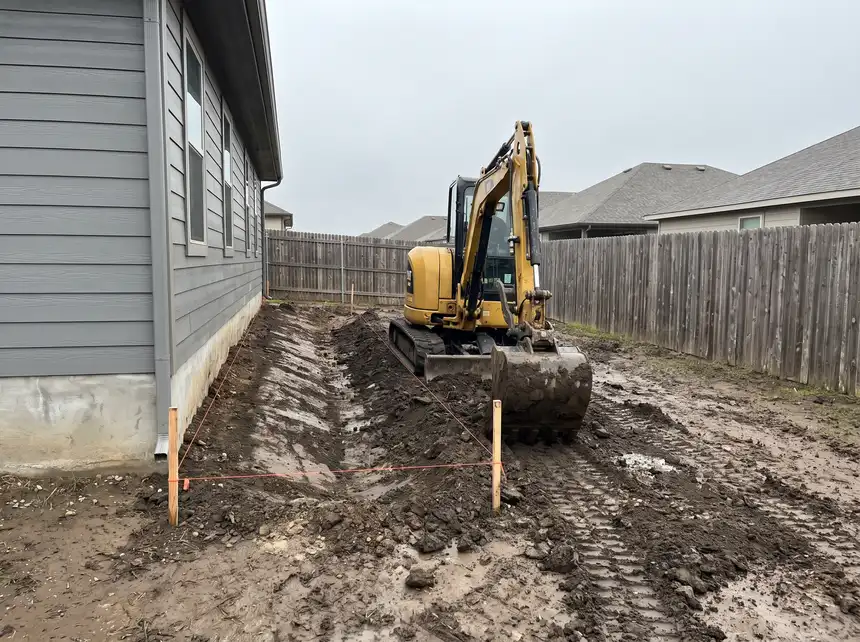
Excavation, Grading & Earthworks
Yard grading, earthworks and drainage correction that moves water away from your foundation.
See what it involves→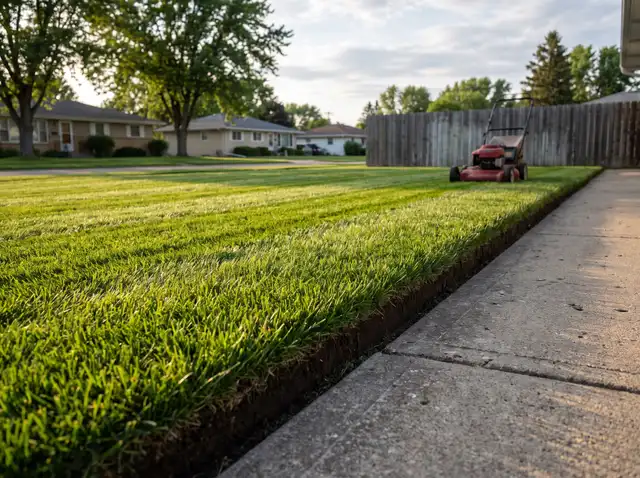
Lawn Care
Weekly mowing, trimming, and seasonal lawn maintenance across Saskatoon and area.
May through September
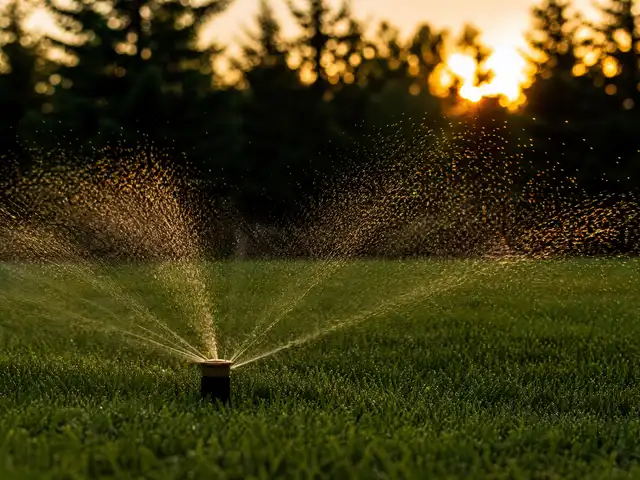
Irrigation & Sprinklers
Sprinkler system design, installation, spring startups, and fall blowouts.
May through October
Lawn Aeration
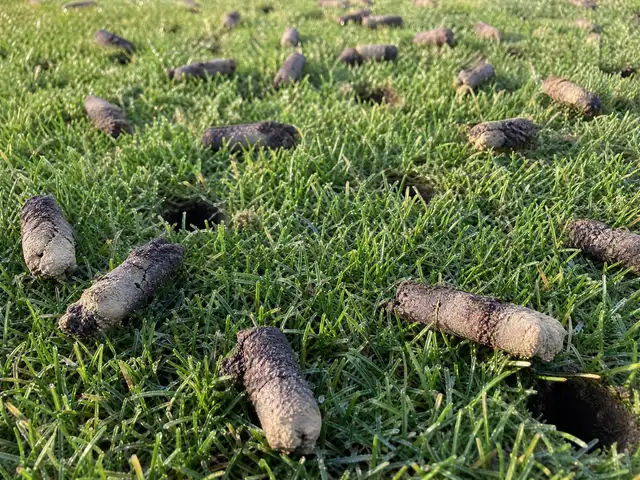
Core aeration that opens up Saskatoon clay so water, air, and roots can get down.
May and September
Landscape Design
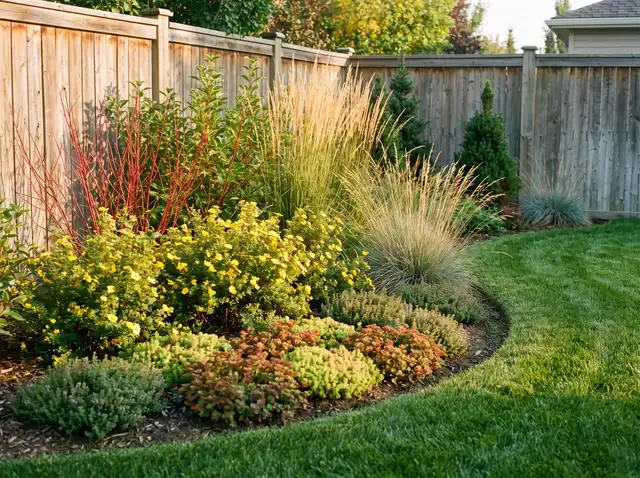
Full yard plans with prairie-hardy planting, built around how you actually use the space.
Year-round (design); May–October (build)