May through October
Artificial Turf in Saskatoon
Synthetic turf for pet runs, play areas, and yards where real grass has stopped working.
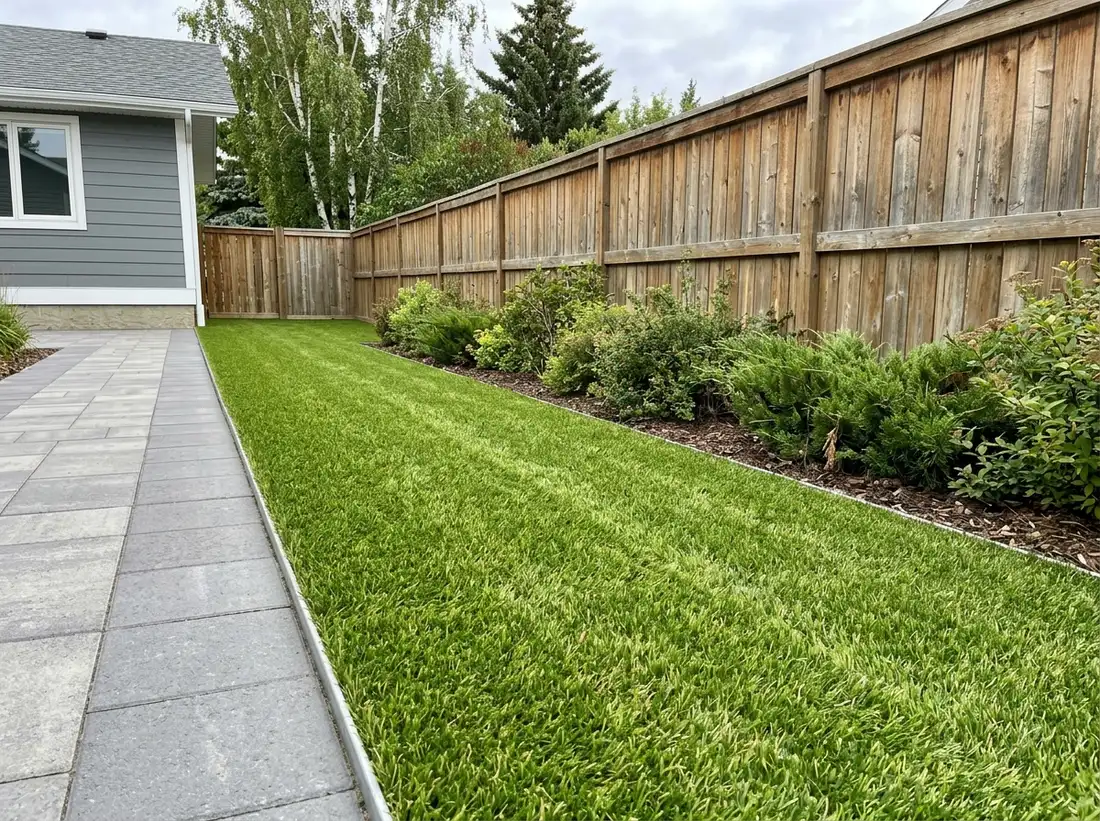
We install artificial turf for pet areas, play spaces, shaded side yards, and small urban lots in Saskatoon where real grass has repeatedly failed. Synthetic turf is not a universal replacement for a lawn — it is a solution for specific problems like dog damage, deep shade, and awkward strips too small to mow. The outcome customers are buying is a green usable surface that survives a Saskatoon winter and needs no watering through a dry July.
What Is Involved in Installing Artificial Turf?
Artificial turf in Saskatoon is a base job with a green surface on top. We excavate the existing sod and soil to a depth that leaves room for a compacted aggregate base, install and compact that base in lifts, and then lay the turf over it. On Saskatoon clay the base is doing almost all of the work, because clay does not drain and the base is what carries water away.
The turf itself is cut to fit, seamed where pieces meet, and secured around the perimeter. It is then brushed and infilled, which stands the fibres up and adds the weight that keeps it flat through freeze and thaw. For pet areas we use an infill that drains and does not hold odour, which is a genuinely different specification from a decorative lawn.
Edging matters more here than people expect. A synthetic lawn that is not properly restrained at its edges lifts and ripples, and a Saskatoon winter of frost movement will find any edge that was not secured.
When Does Artificial Turf Make Sense in Saskatoon?
Dog yards are the most common reason we install it in Saskatoon. A dog run on real grass becomes bare dirt and then mud within a season or two, and no amount of reseeding keeps up with the traffic and the urine damage. Synthetic turf with a draining pet infill genuinely solves that problem.
Deep shade is the second. North-facing side yards and spaces under mature elms in older Saskatoon neighbourhoods do not get enough light to keep bluegrass alive, and people replace that grass repeatedly for years before concluding it is never going to work.
Small awkward areas are the third: boulevard strips, narrow side runs between a house and a fence, courtyards in infill developments. Getting a mower into a metre-wide strip is a nuisance for the entire life of the property, and turfing it removes the chore permanently.
Why Does Artificial Turf Fail or Look Wrong?
Nearly every artificial turf failure in a climate like Saskatoon's traces back to the base. An inadequate or poorly compacted base settles unevenly, and the turf above it shows every dip and hollow. Frost heave through a prairie winter magnifies whatever unevenness was there when it was installed.
Drainage is the second failure. Laid over clay without a properly built draining base, water has nowhere to go, so the turf holds moisture underneath. For a pet area that produces odour; for any area it produces a soft, unpleasant surface and accelerates the breakdown of the backing.
The third problem is heat, and it is worth being honest about. Synthetic turf gets significantly hotter than grass in direct sun, and a south-facing Saskatoon yard in late July can become genuinely uncomfortable underfoot. This is a real limitation of the product and it is not something installation quality can fix.
What Affects the Cost of Artificial Turf in Saskatoon?
Area drives the base cost, and unlike sod there is no cheap version — the excavation, the aggregate, and the compaction happen at full cost regardless of how small the area is. That makes very small installations expensive per square foot and larger ones comparatively better value.
Excavation depth and disposal are a significant part of the number on a Saskatoon lot, because everything that comes out has to be hauled away and everything that goes back in has to be trucked in. On a heavy clay lot that is a lot of material moving in both directions.
Turf specification changes the price meaningfully. Pile height, density, backing, and whether it is a pet-rated product with a draining backing all matter, and the cheap end of the market genuinely does not last in a freeze-thaw climate.
Site complexity is the last factor: curves, obstacles, and multiple seams take longer than a simple rectangle, and access determines whether aggregate arrives by machine or by wheelbarrow.
Should I Install Artificial Turf or Fix the Real Lawn?
Fix the real lawn if the problem is compaction, poor soil, or neglect. A Saskatoon lawn that is thin and hard is usually recoverable with lawn aeration, feeding, and overseeding for a fraction of what synthetic turf costs, and a real lawn stays cool, drains naturally, and does not need replacing in a decade.
Install artificial turf when the problem is structural rather than horticultural — a dog that will destroy any grass you put down, shade no grass will grow in, or a strip too small to maintain. Those conditions do not improve with better lawn care, and repeatedly reseeding them is throwing money away annually.
Consider a third option people overlook: change what is there rather than choosing between two lawns. A shaded side yard often works better as paving stones, mulch and shade plantings, or a gravel path than as either kind of grass. If the space is not actually being used as lawn, it does not need to look like one.
Where Does This Fit With the Rest of the Yard?
Artificial Turf is rarely the only thing a property needs, and the order the work happens in matters more on Saskatoon clay than most people expect. Ground comes first: if water is pooling or running toward the house, grading and drainage is the job to do before anything you can see. Buried services like irrigation go in before surfaces, and sod goes down after the hard landscaping rather than before it.
The jobs most often quoted alongside this one are paving stones & patios, sod installation and landscape design. Doing them in one visit is usually cheaper than bringing equipment back, because the mobilisation and the machine access are paid for once.
If you are planning the whole property rather than one job, start with a landscape design so the phases are sequenced before anything is built. Otherwise, the full service list covers everything we do, the cost guides explain what drives each price here, and the how-to guides are written for Saskatchewan timing rather than the milder-climate advice most search results give you. We work across Saskatoon and the surrounding area, including Warman, and every quote is free and given on site.
Get a free artificial turf quote
Tell us what you need and where the property is. We come out, look at the ground, and give you a written scope and price — no charge and no obligation.
- Free on-site quotes across Saskatoon
- Prairie-hardy plantings that survive zone 3a winters
- Utility locates arranged before any digging
- Summer yard work and winter snow from one contractor
- Written scope before a shovel goes in the ground
Frequently Asked Questions
Does artificial turf survive a Saskatoon winter?
Yes. Quality synthetic turf handles freeze-thaw cycles and snow load without damage, and it comes through the spring melt looking the same as it did in October. The winter risk is not the turf itself but the base underneath — a poorly built base heaves, and the turf shows it.
How much does artificial turf cost in Saskatoon?
It is priced per square foot installed, and it is substantially more expensive up front than sod — several times the cost is a fair expectation. The excavation and base account for a large share of that, which is why small areas cost more per square foot than large ones.
Can you shovel or plow snow off artificial turf?
You can shovel it with a plastic shovel, and most people simply leave it — snow melts off it and drains through without harming it. Avoid metal blades and avoid salt or ice melt products, which can damage the backing and the infill.
Does artificial turf smell if I have dogs?
Not if it is installed as a pet system: a draining base, a permeable backing, and an infill that does not retain liquid. Odour problems come from turf laid over clay with no drainage path, where waste sits in the base rather than passing through. Periodic rinsing keeps it fresh.
How hot does artificial turf get in the summer?
Noticeably hotter than grass — in full Saskatoon sun on a hot July afternoon it can be uncomfortable for bare feet and for dogs. This is a genuine limitation. Shaded installations avoid it entirely, and a quick rinse cools it down, but it is worth knowing before choosing turf for a south-facing yard.
How long does artificial turf last?
A quality product on a properly built base should give you well over a decade of service, and the base outlives the turf — replacing worn turf later is far cheaper than the original install because the excavation and base are already done.
Does it need any maintenance?
Less than grass, but not none. It needs periodic brushing to keep the fibres standing up, occasional rinsing, and leaf and debris removal — particularly in the fall, since organic matter left to break down on the surface feeds weeds along the seams and edges.
Can weeds grow through artificial turf?
Not through the backing, but they will grow along seams and edges from windblown seed that lands in the infill. It is a minor annual chore rather than a real problem, and keeping the surface clear of organic debris largely prevents it.
Related services
Most artificial turf jobs in Saskatoon come with one or two of these attached — it is usually cheaper to do them in the same visit than to bring equipment back.
May through October
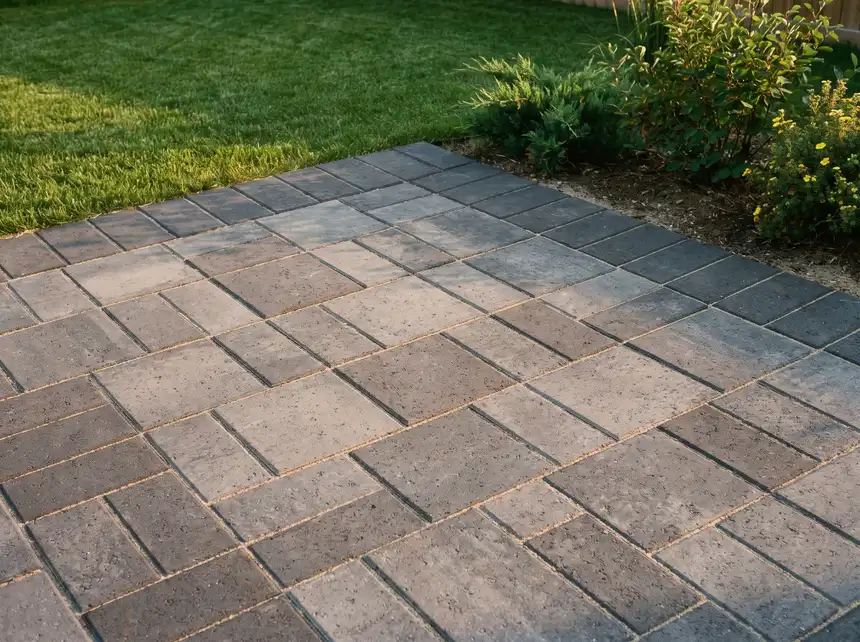
Paving Stones & Patios
Paving stone patios, walkways, and driveways built on a base that handles prairie frost.
See what it involves→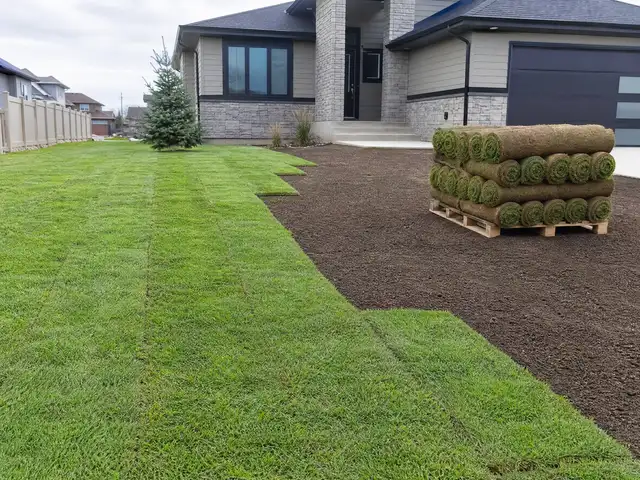
Sod Installation
New sod lawns on properly prepared grade and real topsoil depth, not laid over builder clay.
Late May through September
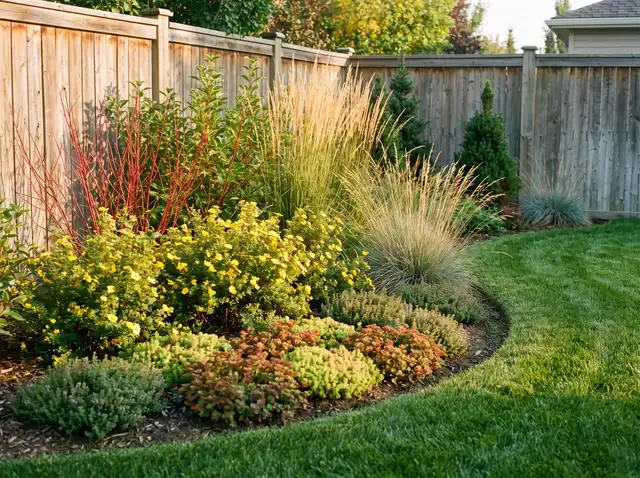
Landscape Design
Full yard plans with prairie-hardy planting, built around how you actually use the space.
Year-round (design); May–October (build)
Excavation, Grading & Earthworks
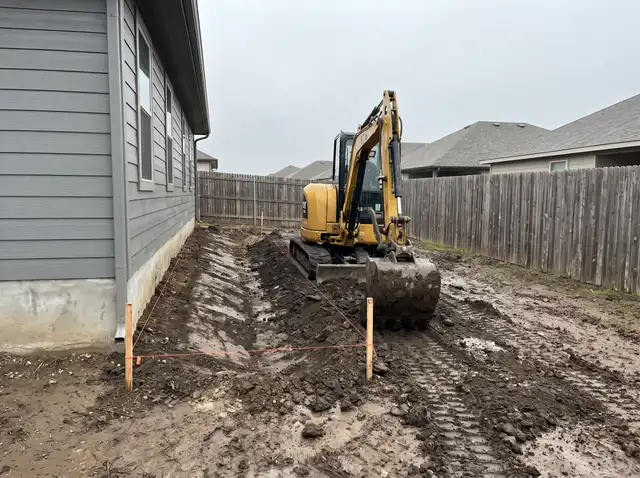
Yard grading, earthworks and drainage correction that moves water away from your foundation.
May through October
Fence Installation
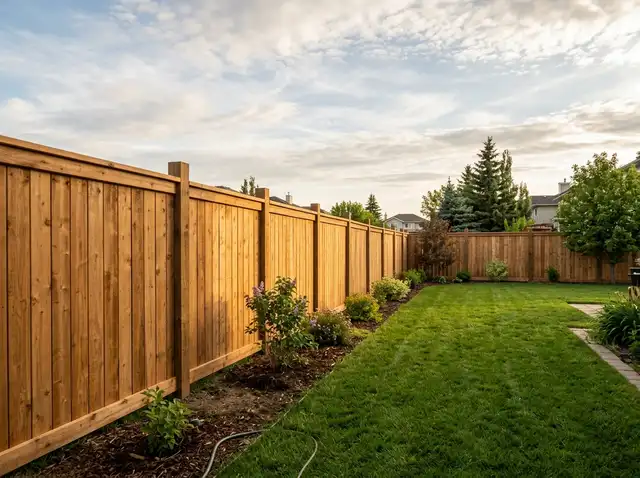
Wood, vinyl, and chain link fencing set on posts deep enough not to heave.
May through October